
Teaching Diversity: Learning, Unlearning, and Making Space

I did my first ever “teaching” engagement back in 2015 at Birmingham City University, giving first-year students a primer on what music PR actually was. At the time, I was still incredibly new to the sector: I’d completed a couple of short PR internships during university and had spent a year working at Secretly. What stands out to me now is something that’s been a constant throughout my career — more senior people seeing something in me that I hadn’t yet learned to see in myself, and encouraging me forward anyway. Often that meant pushing through imposter syndrome, trusting the opportunity in front of me, and learning as I went.
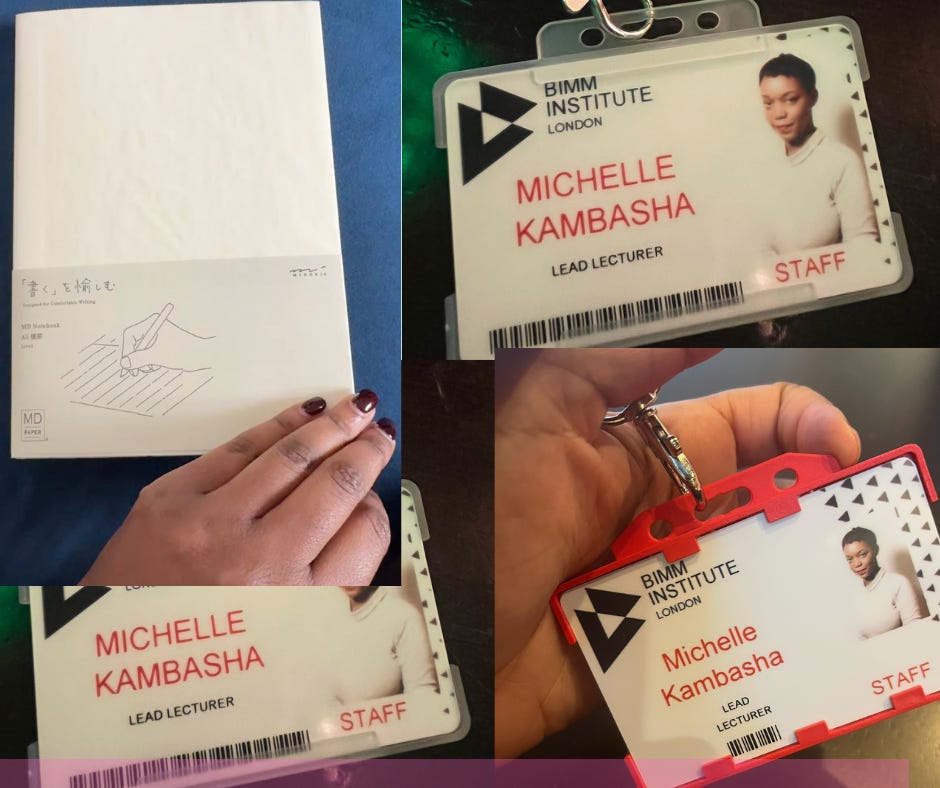
In 2022, the year I went freelance and was still figuring out the shape and direction of my work, I was offered the opportunity to lead two modules at BIMM University London: one on consultancy and market research, and another on diversity in the creative industries. The idea of designing and delivering an entire module from scratch was daunting, but I was also deeply excited. It felt like a chance to consolidate my knowledge, share my experiences, and — just as importantly — learn from the young people I’d be teaching.
Teaching diversity, something I’m so directly involved in, has been especially meaningful. Over 12 weeks, the module moves from theory and history through to policy, legislation, and funding structures — including initiatives from organisations like Arts Council England and Keychange that aim to address inequity in the creative industries. What’s often missing in DEI conversations are those first two layers: theory and history. For me, grounding students in “where this all comes from” is essential before asking them to form opinions or accept why this work matters. It’s a journey — one that I help guide, rather than dictate.
The classrooms themselves are diverse, reflecting the wider student body, and a skill I’ve continually honed is creating a space that feels as safe as possible for students to share experiences, opinions, and questions — including the ones they don’t yet know how to articulate. Watching students unfold over the weeks is incredibly gratifying: many begin feeling nervous about a high-stakes module, especially as most are on vocational degrees and unfamiliar with essay writing at that level. Supporting them through that process feels powerful and affirming.
The most rewarding moments often come at the end. When students tell me they found the lectures engaging and different, that they felt seen and understood, and that the space felt safe enough to listen and speak — it stays with me. I’m especially proud that the module was repeatedly identified for special praise year on year. I love following what students go on to do afterwards, and I’m always happy when they want to stay connected.
One moment that made me both proud and quietly sad came with my most recent group. A Black woman student shared that I was the only Black teacher — male or female — she’d ever had, and several students around her echoed the same. Hearing that reinforced my resolve, much like my presence on conference panels: to do my small part in shifting what representation can look like in these spaces.
This year, I also had the pleasure of delivering guest lectures at De Montfort University, Westminster University, and Hereford College of Arts, all by invitation — an experience I found hugely energising to speak out Publicity and Communications.
Looking ahead, I’d love to do more guest lecturing and to teach more frequently across modules focused on marketing, PR, and the music industry more broadly. I’m particularly keen to work with institutions in the Midlands, where I’m now based, and to continue building meaningful, grounded learning spaces that connect industry reality with critical thinking and lived experience.
Reach out to me on michelle@pact-strategies.com
Some of my indicative study topics at BIMM
Introduction: What Is Diversity, Really?
Exclusion & ‘Othering’
Black Music, White Power
Safe Spaces: Creation, Exclusivity & Resistance
‘Selling In’ and ‘Selling Out’
Erosion of Safe Spaces & Cultural Resistance
Reclamation & Equity in the 2010s
Voices, Protest & False Promises
Lobbying, Law & Paying It Forward
Authorship, Agency & Who Writes History
Collective vs Individual Action
Assessment & Applied Research